
Wet Carpet Drying
Professional Wet Carpet Drying in Potts Hill
Potts Hill’s mix of older homes and modern properties means water damage can affect carpets in different ways. Whether it’s a burst pipe in a ceiling space, a leaking appliance, or floodwater seeping into living areas, wet carpets need immediate attention to avoid long-term issues.
Our team uses industrial-grade dehumidifiers and air movers to extract moisture from carpets, underlay, and subfloors. This process not only dries the surface but also targets hidden moisture that can lead to mould growth and structural weakening over time.
In Potts Hill, we often see water damage in living rooms, bedrooms, and hallways where carpets absorb moisture quickly. Older properties with timber subfloors are particularly vulnerable, as trapped moisture can cause warping and rot if not addressed promptly.
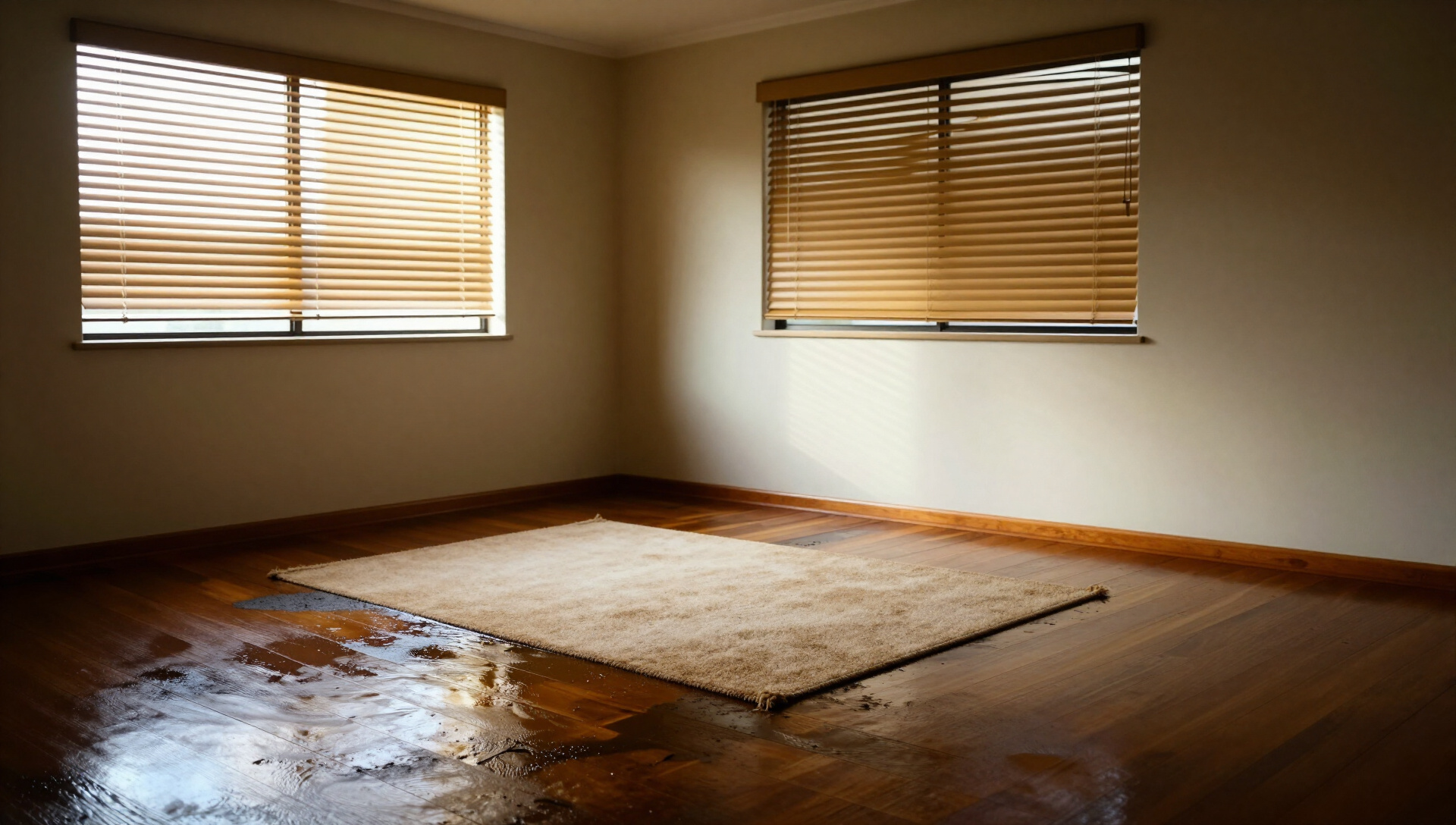
We work efficiently to minimise disruption, ensuring your home or business is safe and dry as soon as possible. Our focus is on thorough drying, not just surface-level fixes, to protect your property and health.
Signs Your Potts Hill Carpet Needs Drying
Act quickly if you notice these warning signs in your Potts Hill property:
- Visible water stains or discolouration on carpets
- Musty or damp odours in rooms
- Carpet feels damp or spongy underfoot
- Water pooling or seeping from walls or ceilings
- Mould spots appearing on carpet edges or walls
- Increased humidity or condensation in the room
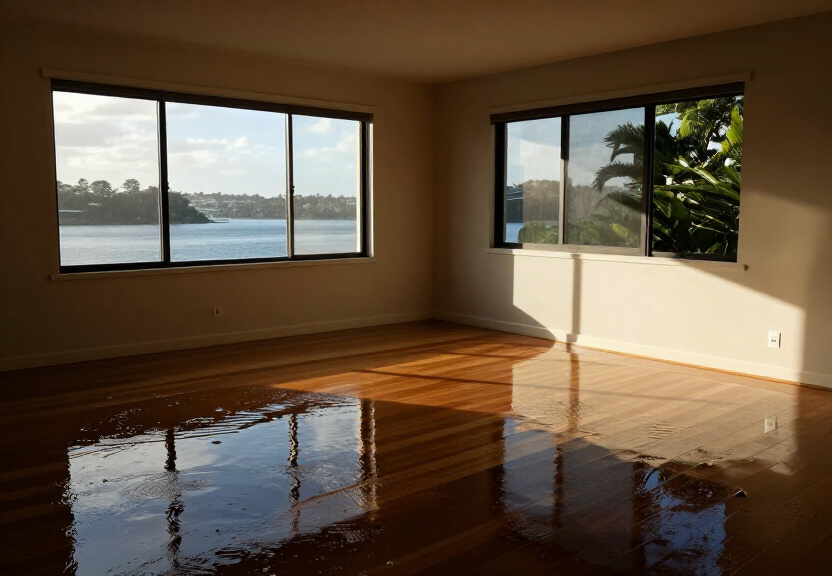
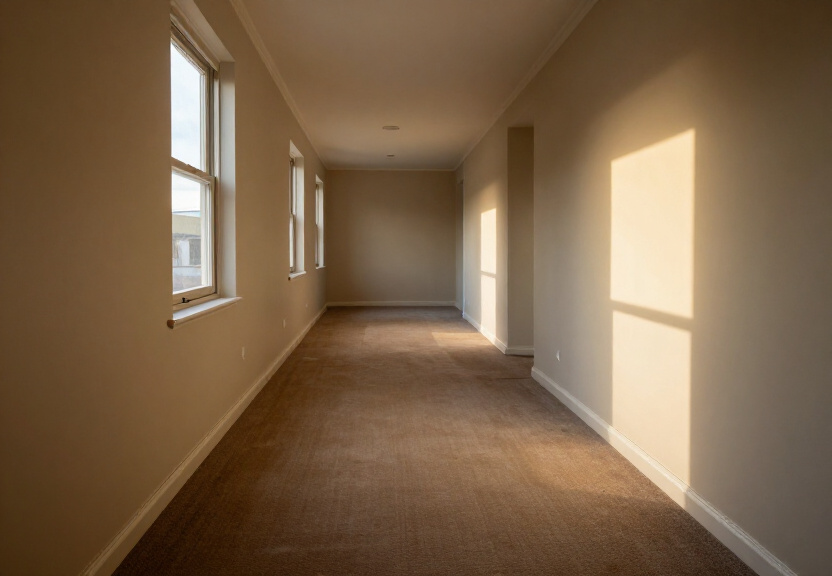
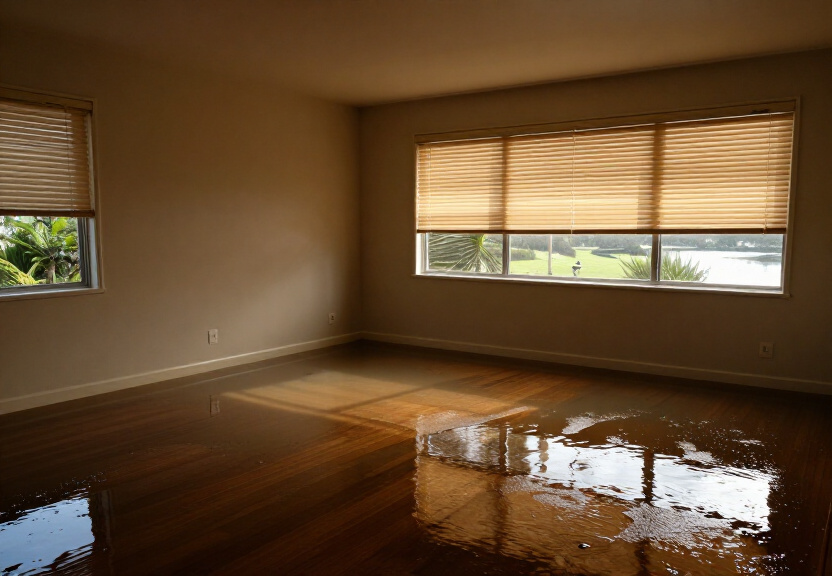
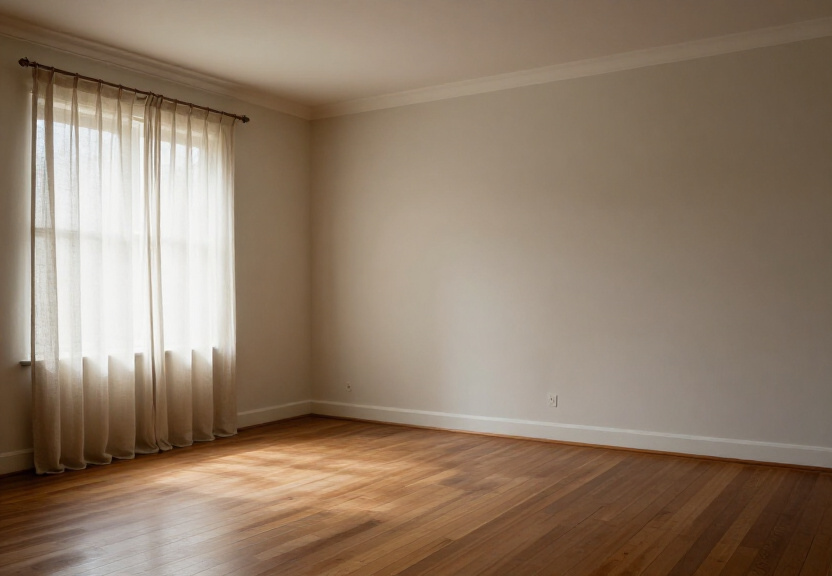
Before and After Wet Carpet Drying in Potts Hill
See the difference professional drying makes in local properties.
Why Choose Us for Wet Carpet Drying in Potts Hill?
- Local expertise in Potts Hill’s residential and commercial properties
- 24/7 emergency response for urgent water damage
- Industrial-grade equipment for fast, thorough drying
- Prevents mould, odours, and structural damage
- Transparent process with no hidden surprises
- Experienced team trained in water damage restoration
Who We Help in Potts Hill
Homeowners in Potts Hill
From older homes with timber floors to modern apartments, we handle wet carpet drying for all residential properties in Potts Hill.
- Burst pipes or appliance leaks in kitchens and laundry rooms
- Floodwater or storm damage affecting living areas
- Ceiling leaks soaking carpets in bedrooms and hallways
Businesses in Potts Hill
Commercial spaces in Potts Hill, including offices, retail stores, and restaurants, rely on us for rapid wet carpet drying to minimise downtime.
- Water damage from broken pipes or HVAC leaks
- Flooding in storage areas or backrooms
- Spills or leaks in high-traffic customer areas
Benefits of Professional Wet Carpet Drying
Prevents Mould Growth
Moisture trapped in carpets creates the perfect environment for mould. Our drying process removes water at the source, stopping mould before it starts and protecting your health.
Saves Your Carpet
Acting quickly can often save your carpet from permanent damage. We use advanced techniques to restore carpets to their pre-damage condition where possible.
Protects Your Property
Water doesn’t just damage carpets - it can weaken subfloors, walls, and furniture. Thorough drying prevents long-term structural issues and costly repairs.
Eliminates Odours
Damp carpets develop musty smells that linger. Our process removes moisture and sanitises the area, leaving your property fresh and clean.
Our Commitment to You
We stand by our work and ensure every wet carpet drying job in Potts Hill is completed to the highest standard. Your satisfaction and the safety of your property are our top priorities.
Serving Potts Hill and Surrounding Areas
We provide wet carpet drying services across Potts Hill and nearby suburbs, including Fairfield, Smithfield, and Guildford. Our local team understands the unique challenges of properties in this area, from older homes with timber floors to modern units with shared walls.
Frequently Asked Questions About Wet Carpet Drying in Potts Hill
We offer same-day service for urgent situations in Potts Hill. Our team can often be on-site within hours of your call to start the drying process immediately.
Yes. We use specialised equipment to dry carpets and subfloors without causing damage to timber. Our process is designed to protect both the carpet and the underlying structure.
In most cases, yes. The sooner we begin drying, the better the chances of restoring your carpet. We assess each situation individually and provide honest recommendations.
Drying times vary depending on the extent of the damage, carpet type, and environmental conditions. Most residential jobs are completed within 24 to 48 hours.
Absolutely. We work with businesses of all sizes in Potts Hill, from small offices to large retail spaces, to minimise downtime and restore normal operations quickly.
Remove any furniture or items from the wet area if safe to do so. Avoid walking on the carpet to prevent spreading moisture. If possible, use fans or open windows to improve airflow, but do not attempt to use household vacuums or heaters, as these can cause further damage.
What Potts Hill Residents Say About Our Service
"Our living room carpet was soaked after a pipe burst. The team arrived within hours and had everything dried out by the next day. No mould, no odours - just a clean, dry carpet. Highly recommend."
"We run a small retail store in Potts Hill, and a leak from the unit above flooded our stockroom. They responded quickly, dried the carpet, and even helped us move items to prevent further damage. Professional and efficient."
"The musty smell in our bedroom was unbearable after a ceiling leak. They not only dried the carpet but also treated the area to remove the odour. The difference was immediate."
Related Services in Potts Hill
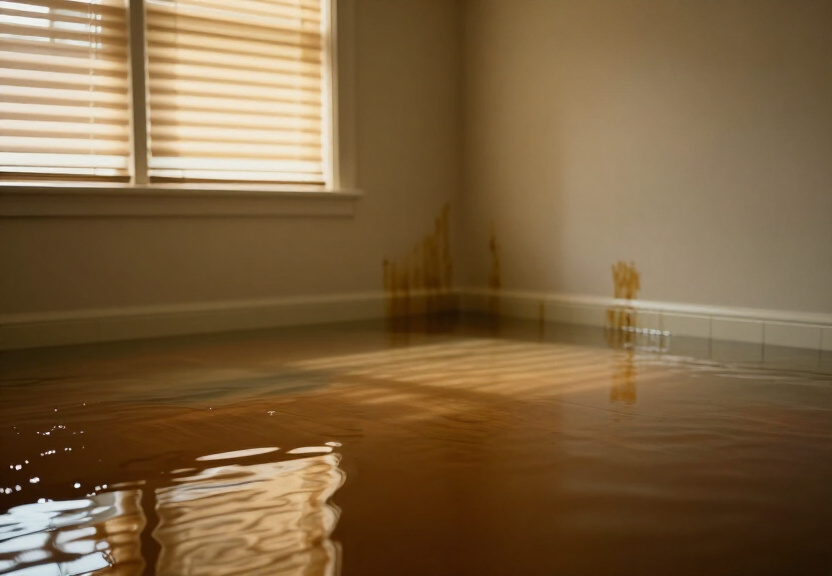
Water Damage Restoration
Water damage restoration brings the property back to a safe, habitable state by assessing affected materials and managing the full drying and repair plan. From water-impacted finishes to documentation needs, the service supports a complete recovery approach.
Learn More →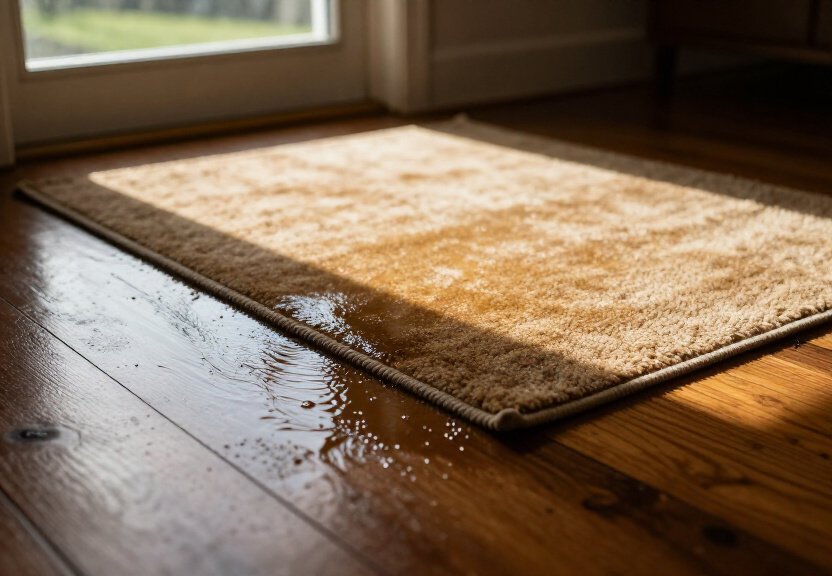
Wet Carpet Drying
Wet carpet drying repositions affected flooring, extracts surface water, and dries fibres and backing without unnecessary reinstallation. Controlled airflow and dehumidification help minimise shrinkage, staining, and persistent dampness that can lead to odours.
Learn More →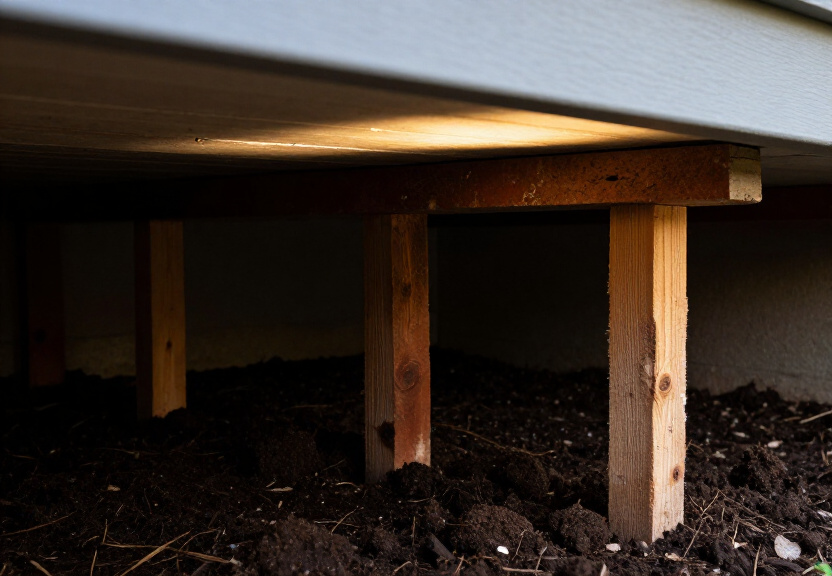
Subfloor Moisture Removal
Subfloor moisture removal tackles dampness beneath flooring where water can pool or wick into timber and other materials. Controlled extraction and drying help protect structural elements and minimise ongoing odour or mould problems.
Learn More →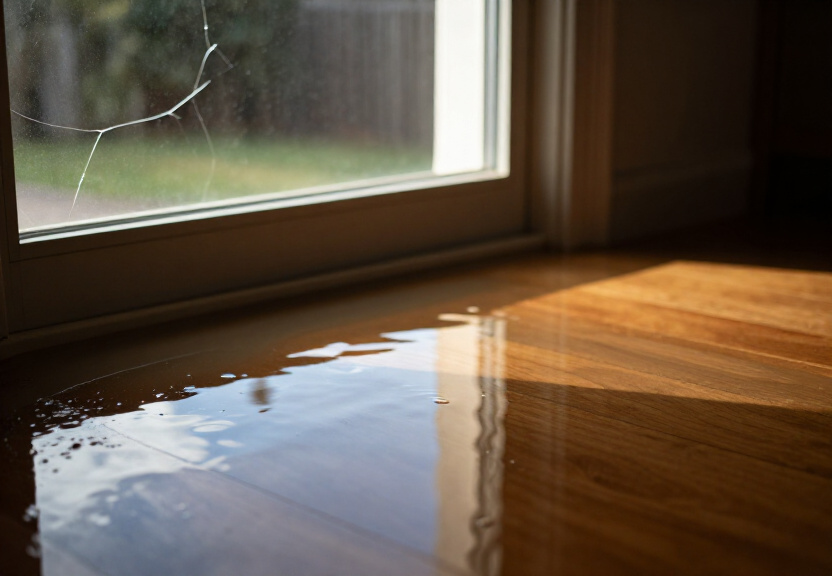
Water Extraction And Removal
Water extraction and removal quickly removes floodwater using appropriate pumps and extraction equipment. Removing bulk water early reduces damage, limits contamination spread, and accelerates the subsequent drying stage for faster recovery.
Learn More →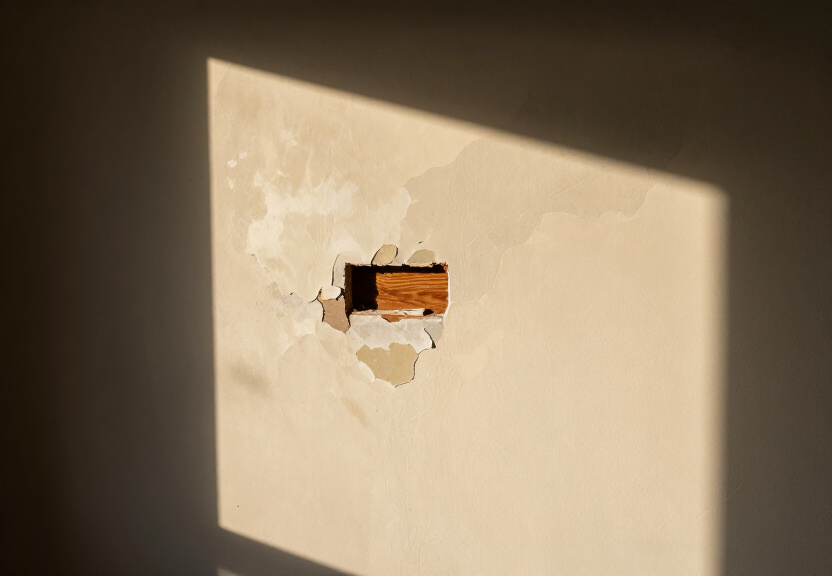
Structural Drying
Structural drying restores building materials to safe moisture levels using calibrated air movers, dehumidification, and continuous monitoring. This reduces risks like swelling, paint failure, and hidden microbial growth inside walls, floors, and roof spaces.
Learn More →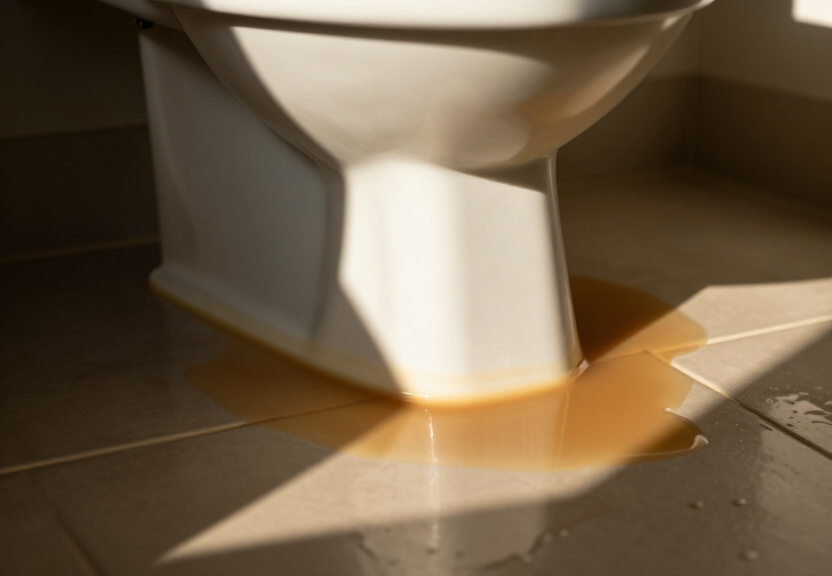
Sewage Cleanup
For contaminated water incidents, sewage cleanup includes removal of soiled residues and thorough disinfection of impacted surfaces. The workflow focuses on health and hygiene, reducing contamination risk while preparing areas for controlled drying and restoration.
Learn More →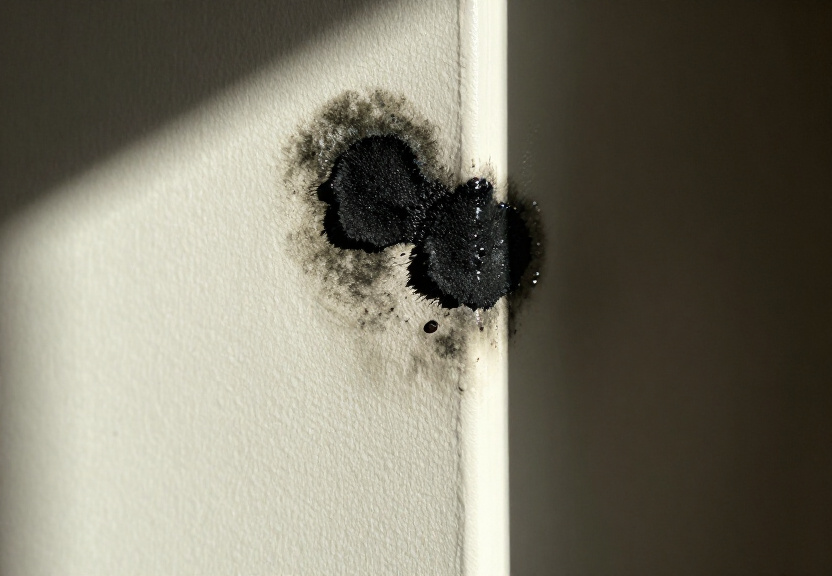
Mould Removal
When mould colonies have formed, mould removal isolates the affected areas and removes contaminated materials safely. After extraction, the space is sanitised so surfaces are ready for drying and rebuild, restoring a cleaner indoor environment.
Learn More →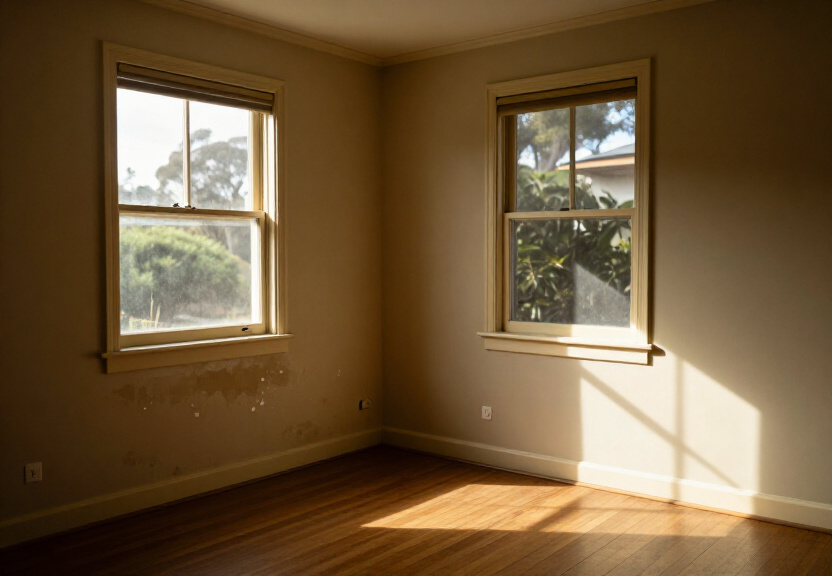
Odour Removal
Persistent flood odours from contaminated finishes and trapped moisture are addressed with targeted odour removal. We use odour control methods designed to neutralise lingering compounds, helping eliminate musty smells rather than simply masking them.
Learn More →
Mould Prevention Treatment
After floodwater recedes, apply mould prevention treatment to affected ceilings, walls, and concealed voids where spores can take hold. The process targets damp substrates and helps reduce the chance of recurring growth while restoration works proceed.
Learn More →